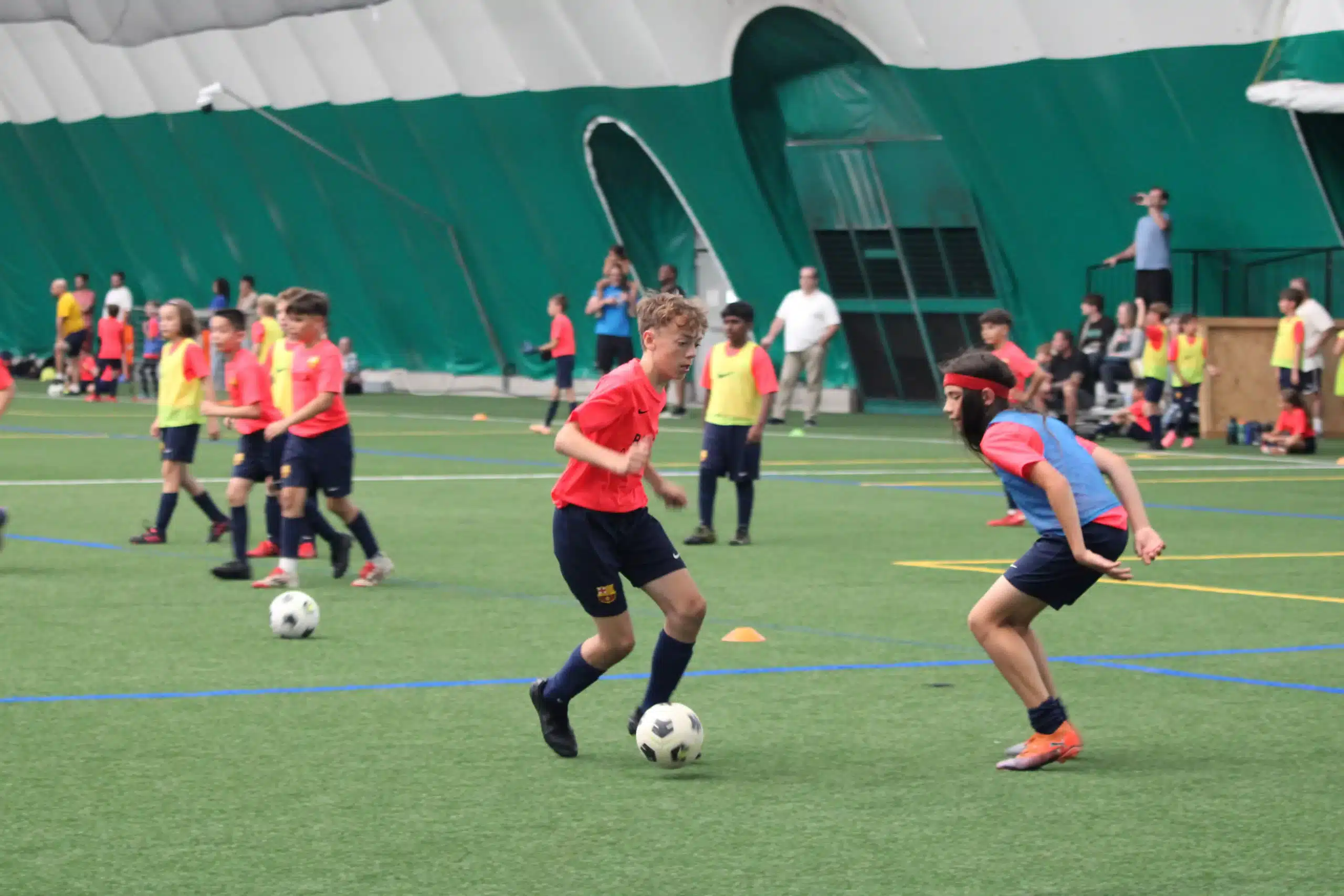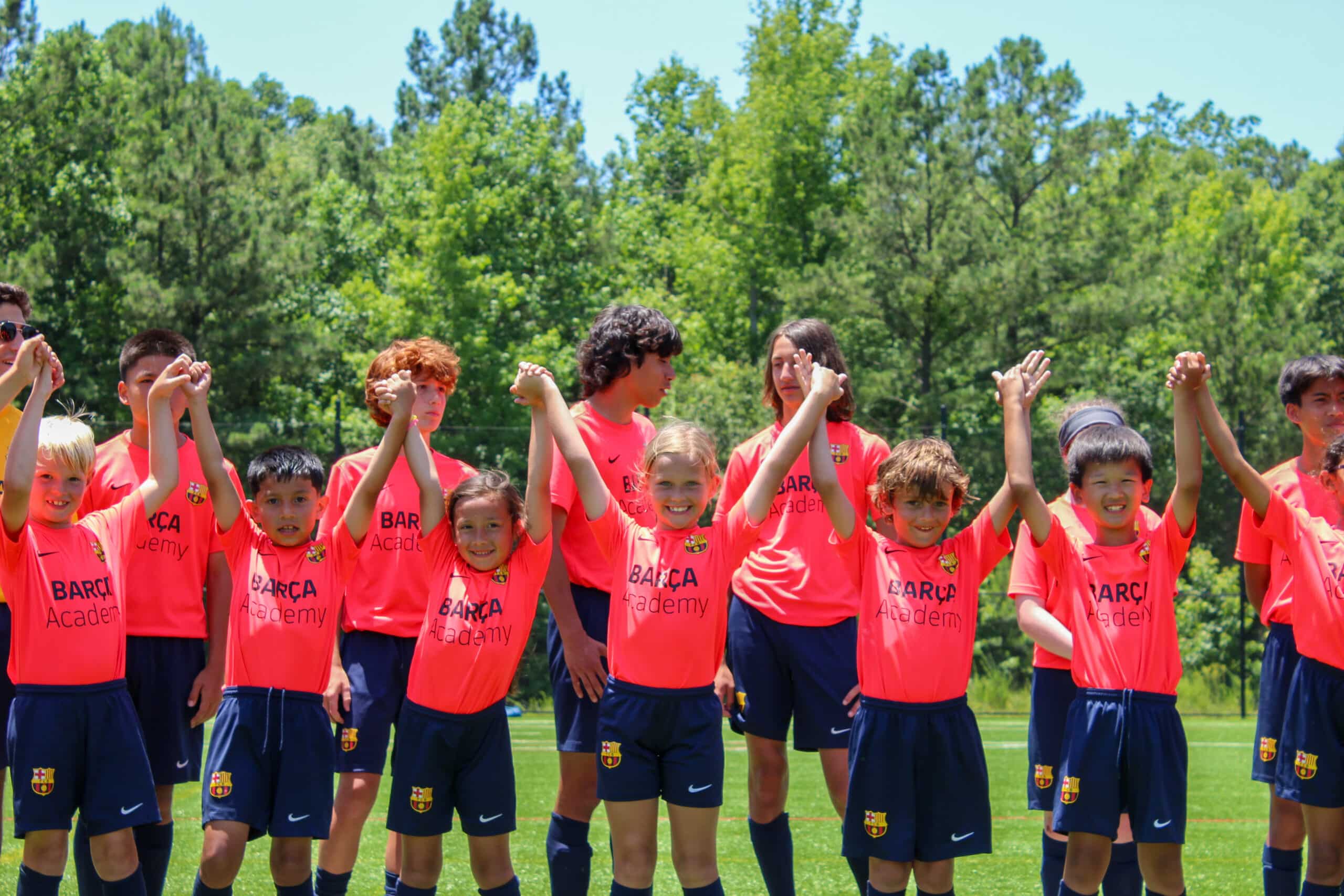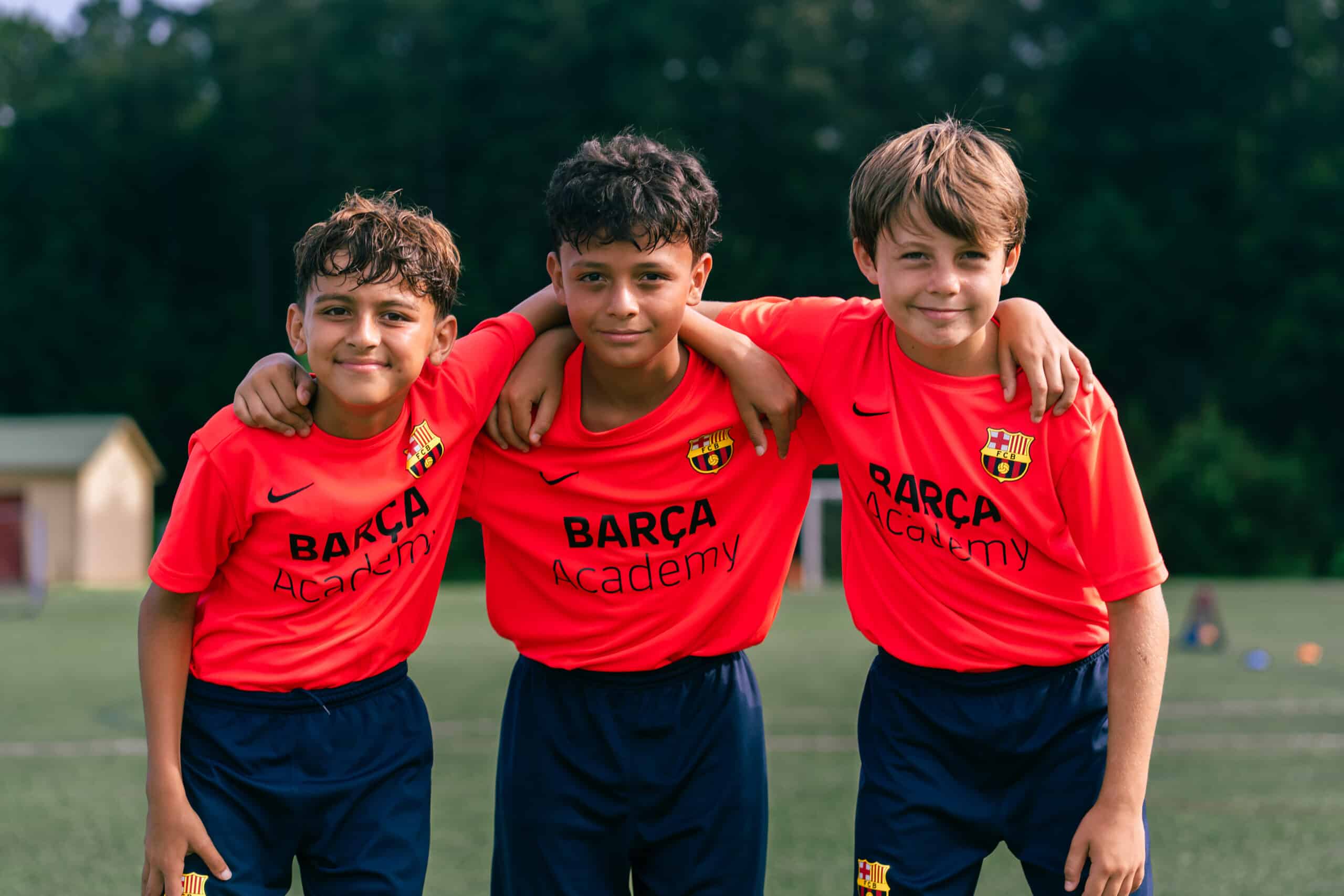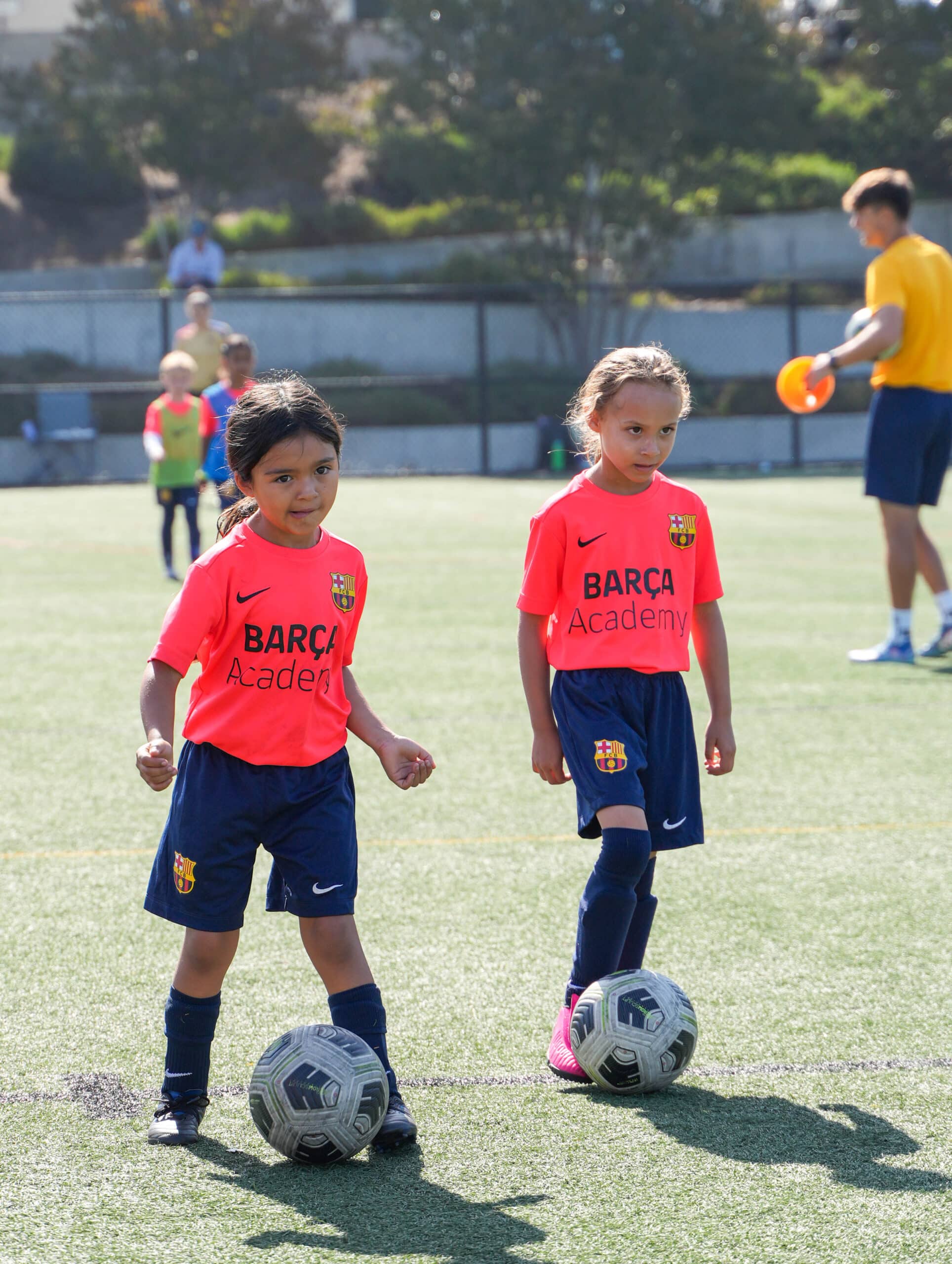

Selecting the best soccer cleats for kids involves more than just picking a favorite color or mimicking a professional’s style; it is a vital decision for a player’s safety and technical development. At Barça Academy US, we believe every training session is a chance for young athletes to build confidence, and the right footwear provides the necessary foundation for that growth.
In this guide, we will walk you through how to identify the best soccer cleats for kids at different ages and levels, what types of studs and outsoles work on different fields, and what features really matter for comfort, control, and injury prevention. We will speak from our experience on the training fields of Barça Academy US, where hundreds of young players train each season following the FC Barcelona methodology.
Why the Right Cleats Matter for Young Players
Soccer is a game of constant movement: sprinting, turning, stopping, and striking the ball. For young athletes, their bodies are still growing, their balance is developing, and their coordination is improving week after week. This makes the search for the best soccer cleats for kids more than a shopping decision; it becomes part of a long-term development plan.
The right cleats can:
- Improve stability: Proper traction helps kids accelerate, decelerate, and change direction with more control.
- Support healthy movement patterns: A good fit and appropriate flexibility support the natural movement of growing feet.
- Enhance ball control: A well-designed upper can give kids more confidence when passing, receiving, and shooting.
- Reduce risk of certain injuries: While no cleat can eliminate injuries, appropriate traction, cushioning, and fit may help reduce slips, blisters, and some overuse issues.
Research on youth sport safety highlights how proper equipment and field conditions can influence injury risk and performance. According to the American Academy of Orthopaedic Surgeons, choosing a shoe specifically designed for soccer—which provides stability without a toe cleat—is essential for preventing foot and ankle injuries. At our academy, we take these medical principles seriously when we advise families on the best footwear for their training environment.
The Main Types of Kids’ Soccer Cleats
Before you decide on the best soccer cleats for kids in your family, it helps to understand the different categories of cleats. While we will not discuss specific brands, nearly all models fall into a few key types, mainly defined by the outsole (the bottom of the shoe and the type of studs).
Firm Ground (FG) Cleats
Firm ground cleats are designed for natural grass fields that are dry or slightly damp. These are the most common type used in many youth leagues and academies when playing on real grass.
- Studs: Usually molded plastic studs that are conical, bladed, or a mix of both.
- Best for: Standard natural grass fields that are not excessively wet or muddy.
- Advantages: Good all-around traction, suitable for many match conditions, and usually comfortable for youth players.
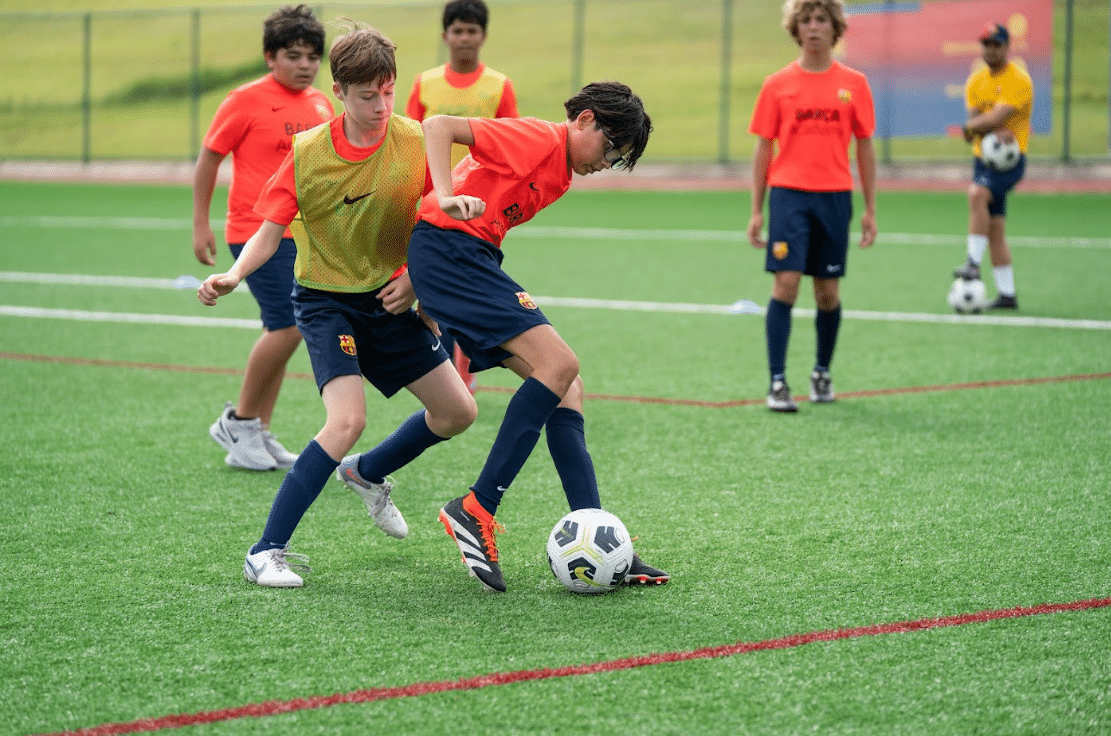
At Barça Academy US, when our players train or play on natural grass, an appropriate firm ground cleat is often the most practical choice.
Artificial Ground / Artificial Grass (AG) Cleats
Artificial grass surfaces are increasingly common across the United States. They drain well, require less maintenance, and allow for more consistent playing conditions. However, the surface behaves differently from natural grass, which is why AG-specific cleats exist.
- Studs: Shorter, more numerous studs spread across the outsole for even pressure distribution.
- Best for: Modern artificial turf or artificial grass fields.
- Advantages: Designed to reduce stud pressure and provide safe, balanced traction on synthetic surfaces.
Many families ask whether AG cleats can be used on natural grass or whether FG cleats are acceptable on artificial grass. The answer depends on the specific field and conditions, but as a general guideline, using cleats designed for the primary surface where your child trains will help them feel more stable and comfortable.
Turf (TF) Shoes
Turf shoes are different from traditional studded cleats. They are intended for older style artificial turf, compact training surfaces, or some indoor/outdoor hybrid pitches.
- Studs: Many tiny rubber nubs or patterns rather than distinct long studs.
- Best for: Short-pile turf, small-sided pitches, or technical training sessions on hard synthetic surfaces.
- Advantages: Excellent for stability on very hard ground and highly versatile for training.
While turf shoes might not be the first option for match day on full-size fields, they can be a great training tool, particularly for technical drills and for younger players who need a stable base.
Indoor (IC) Soccer Shoes
Indoor soccer shoes are built for gym floors, futsal courts, and other smooth indoor surfaces.
- Outsole: Flat, non-marking rubber with patterns for grip.
- Best for: Futsal, indoor soccer leagues, or gym-based winter training.
- Advantages: Lightweight, close to the ground, and excellent for quick changes of direction on indoor courts.
Indoor soccer is an outstanding way to sharpen ball control in tight spaces. If your child plays futsal or winter indoor leagues, having an indoor-specific shoe is important for both performance and safety.
Matching Cleats to Field Surfaces
One of the most practical steps in finding the best soccer cleats for kids is to start from the surface where they train and compete most frequently. Ask these questions:
- Is the main field natural grass or artificial turf?
- How often do games move between different surfaces?
- What are the league or academy recommendations?
At Barça Academy US, we clearly communicate the types of fields used for training and matches so families can prepare. When in doubt, speak with your child’s coach or our staff if you participate in our programs or camps.
Natural Grass Fields
On natural grass, firm ground cleats are usually the standard. They offer enough stud length to penetrate the grass and provide traction without being so long that they become unstable in firmer conditions.
Key considerations:
- Length of studs: Long enough for grip but not so long that they cause discomfort or awkward footing.
- Stud type: Conical studs can offer smoother release from the ground, which many coaches prefer for youth players.
- Field condition: On very wet or muddy grass, some leagues allow soft-ground stud patterns, but for most youth situations, standard firm ground is sufficient.
Artificial Grass and Turf Fields
On artificial surfaces, traction and stud pressure feel different than on grass. Using long studs on some artificial pitches can create too much grip, making it harder to pivot and potentially placing more stress on joints. That is why many experts recommend AG-specific or turf models for regular play on synthetic surfaces.
Consider:
- AG cleats: For modern artificial grass systems, AG outsoles are usually a strong choice.
- Turf shoes: For tighter, older turf or multi-purpose synthetic surfaces, turf shoes may be ideal, especially for training.
Age and Development: Cleats by Stage
The best soccer cleats for kids are not the same for a 6-year-old beginner and a 14-year-old academy player. Their bodies, playing style, and training load are all different. At Barça Academy US, we work with players across a wide range of ages and see how smart equipment choices support their development.
Young Beginners (Ages 5–8)
At this stage, the focus should be on comfort, basic traction, and fun. Players are learning fundamental skills: dribbling, simple passing, and getting used to team play.
- Priority: Comfort and fit. Cleats should not be too tight or too heavy. There should be enough room for the toes without the foot sliding around.
- Recommended types: Lightweight firm ground cleats for natural grass, or turf/AG shoes for synthetic fields.
- What to avoid: Very stiff, high-end competition models that may be too rigid or narrow for young feet.
At this age, making sure that putting on cleats is easy, that laces can be fastened securely, and that children feel confident running without slipping is far more important than advanced technical features.
Developing Players (Ages 9–12)
In this phase, technique and game understanding grow quickly. Players cover more distance in matches, and training intensity can increase.
- Priority: Balance of comfort, support, and control.
- Recommended types: Firm ground cleats for grass matches, AG or turf models for regular turf training.
- Features to look for: Secure lockdown around the midfoot, a good heel fit, and an upper that allows for precise touches without discomfort.
As they grow, players may begin to express preferences: some like a more flexible, sock-like feel, while others prefer more structure. Listening to their feedback and observing their body language on the pitch helps you decide whether a certain model truly supports them.
Competitive Youth (Ages 13+)
Older competitive players can benefit from more specific features, but the fundamentals remain the same: appropriate surface match, safe traction, and proper fit.
- Priority: Performance features without sacrificing comfort or safety.
- Recommended types: A main pair matched to the dominant playing surface (FG or AG) and, where possible, a secondary pair (such as turf shoes) for specific training conditions.
- Features to consider: Slightly lighter boots, refined stud patterns, or uppers that give a responsive feel for striking and passing.
As training loads increase, so does the importance of rotating footwear and allowing shoes to dry properly between sessions, which supports foot health and comfort.
How to Ensure the Right Fit
Even the technically best soccer cleats for kids will not perform well if they do not fit correctly. From our coaching staff’s experience at Barça Academy US, many issues such as blisters or discomfort in young players stem from cleats that are the wrong size or shape for their feet.
Use these guidelines when trying on cleats:
- Length: Aim for a small space (about the width of a thumb nail) between the longest toe and the tip of the cleat when standing.
- Width: The sides should feel snug but not painfully tight. If you see bulging or pressure marks, the cleat is likely too narrow.
- Heel lockdown: The heel should not slip significantly when walking or jogging. Excess movement in the heel can cause blisters.
- Socks: Always test cleats with the same type of socks your child will wear in training or matches.
- Time of day: Feet can swell slightly after activity. Trying on cleats later in the day can provide a more realistic sense of fit.
Key Features That Really Matter
With so many models available, it is easy to feel overwhelmed. Yet, when we help families at Barça Academy US evaluate options, we focus on a few essential features that define the best soccer cleats for kids.
Upper Material and Touch on the Ball
The upper is the part of the cleat that covers the top and sides of the foot and makes contact with the ball.
- Soft, flexible materials: Help young players feel the ball when dribbling and passing.
- Durable construction: Important for kids who train several times per week, especially in outdoor conditions.
- Textured areas: Some uppers include patterns or ridges to provide additional grip on the ball. These can aid confidence but are less important than proper technique and practice.
Outsole and Stud Pattern
The outsole determines how the shoe interacts with the field.
- Surface-specific design: Match FG, AG, TF, or IC with the regular playing surface.
- Even pressure distribution: Helps avoid uncomfortable stud pressure under the foot, especially during longer matches.
- Stability on cuts and turns: Good cleats should allow quick changes of direction without causing the foot to feel stuck in the ground.
Cushioning and Insole
While many soccer cleats are designed to be low to the ground for better feel, a modest amount of cushioning can help with comfort.
- Supportive insole: Should feel comfortable under the arch without being intrusive.
- Shock absorption: Especially important for players training several times per week on hard or artificial surfaces.
Caring for Kids’ Soccer Cleats
Once you have selected what you consider the best soccer cleats for kids in your household, taking care of them will protect your investment and keep your child comfortable.
Simple care habits include:
- Air drying: After training or matches, remove excess dirt and let cleats dry at room temperature. Avoid placing them directly near high heat sources, which can damage materials.
- Cleaning studs and outsoles: Remove mud and debris to maintain traction and avoid unnecessary wear.
- Rotating pairs when possible: If your child plays very frequently, alternating between two pairs can allow each one to dry and recover.
- Regular size checks: Children’s feet grow quickly. Check the fit every few months, especially before a new season or camp.
Player Development at Barça Academy US
At Barça Academy US, our mission goes far beyond teaching the technical and tactical aspects of the game. We aim to accompany families through the entire development process of young players, from their first touches on the ball to more advanced play.
When new players arrive at our summer camps or seasonal programs, one of the first practical details we look at is whether their gear, including cleats, is appropriate for the sessions ahead. The best soccer cleats for kids in our environment are those that let them train with intensity, express their creativity, and move safely and confidently across the pitch.
Our coaches encourage players to:
- Warm up properly and test their traction before each session.
- Communicate if they feel discomfort in their feet or ankles, which can sometimes be linked to poor fit.
- Focus on technique and decision-making, using their cleats as tools rather than distractions.
We also communicate with parents and guardians about field conditions, recommended gear, and what to bring to camp so that each player can concentrate on enjoying the game and improving every day.
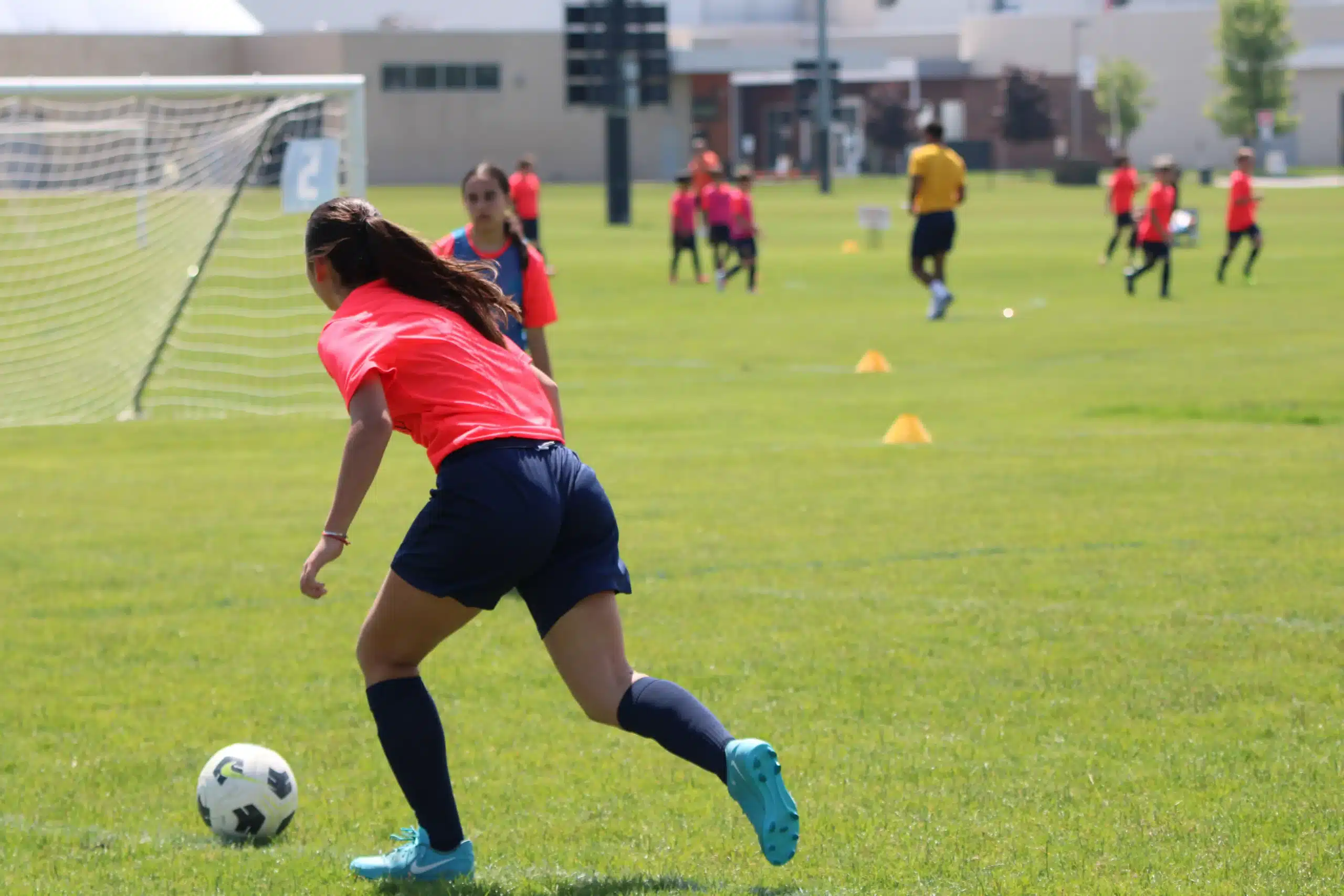
Preparing for Barça Academy US Summer Camps
If your child is preparing to attend a Barça Academy US summer camp, choosing the right footwear is an important step in getting ready. Camps combine high-intensity training sessions, fun competitive games, and educational activities based on the FC Barcelona methodology. Players spend many hours on the field, which makes appropriate cleats especially valuable.
When selecting what you believe are the best soccer cleats for kids for camp, consider the following checklist:
- Confirm the surface: Check whether the camp location uses natural grass, artificial grass, or a combination. This will guide your choice of FG, AG, TF, or IC models.
- Break in cleats before camp: Avoid starting camp with brand new, untested shoes. Have your child wear them in practice or friendly play to ensure they are comfortable.
- Pack backups if possible: Even a simple pair of turf shoes or trainers can be helpful if weather or field conditions change.
- Include appropriate socks: Bring several pairs of moisture-wicking soccer socks to keep feet dry and comfortable during multiple daily sessions.
Helping Your Child Make Confident Choices
Ultimately, the best soccer cleats for kids are those that support the way they move, the surfaces they play on, and the confidence they feel when they step onto the field. Instead of focusing solely on appearance or on what professional players wear, involve your child in the decision process.
Here are a few ways to guide them:
- Ask how the cleats feel: Encourage honest feedback about comfort, fit, and confidence in movement.
- Relate cleats to their goals: Explain that the right footwear can help them focus on their first touch, passing accuracy, and defending skills during training.
- Reinforce good habits: Show them how to loosen laces properly, dry their cleats, and prepare their gear the night before training or camp days.
From our perspective, teaching young players to care for their equipment is part of teaching responsibility and professionalism, values that extend far beyond soccer.
Equip Your Child to Grow as a Player
Finding the best soccer cleats for kids may seem like a small detail, but on the field, every detail influences performance, enjoyment, and safety. By understanding the main types of cleats, matching them to the correct surface, respecting the needs of growing feet, and prioritizing comfort and fit over appearance, you can give your child a strong foundation for their soccer journey.
At Barça Academy US, we are committed to guiding young players in every aspect of their development, from technical training and tactical learning to healthy habits and equipment choices. If your child is passionate about the game and eager to improve, our camps and programs offer an environment that nurtures both skill and character.
Join us at Barça Academy US and let your child experience high-quality training inspired by FC Barcelona’s values and methodology. Explore upcoming opportunities, locations, and schedules.