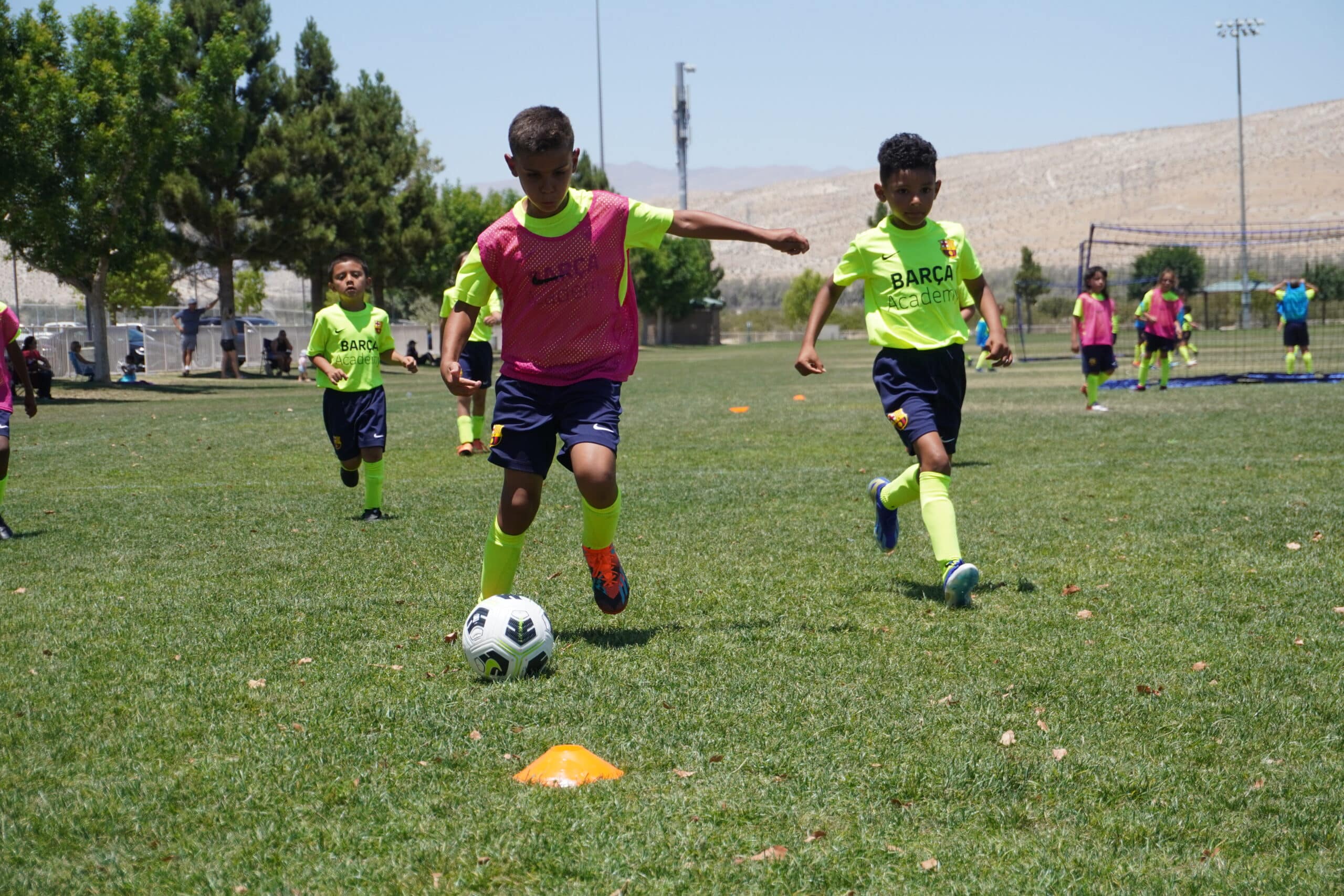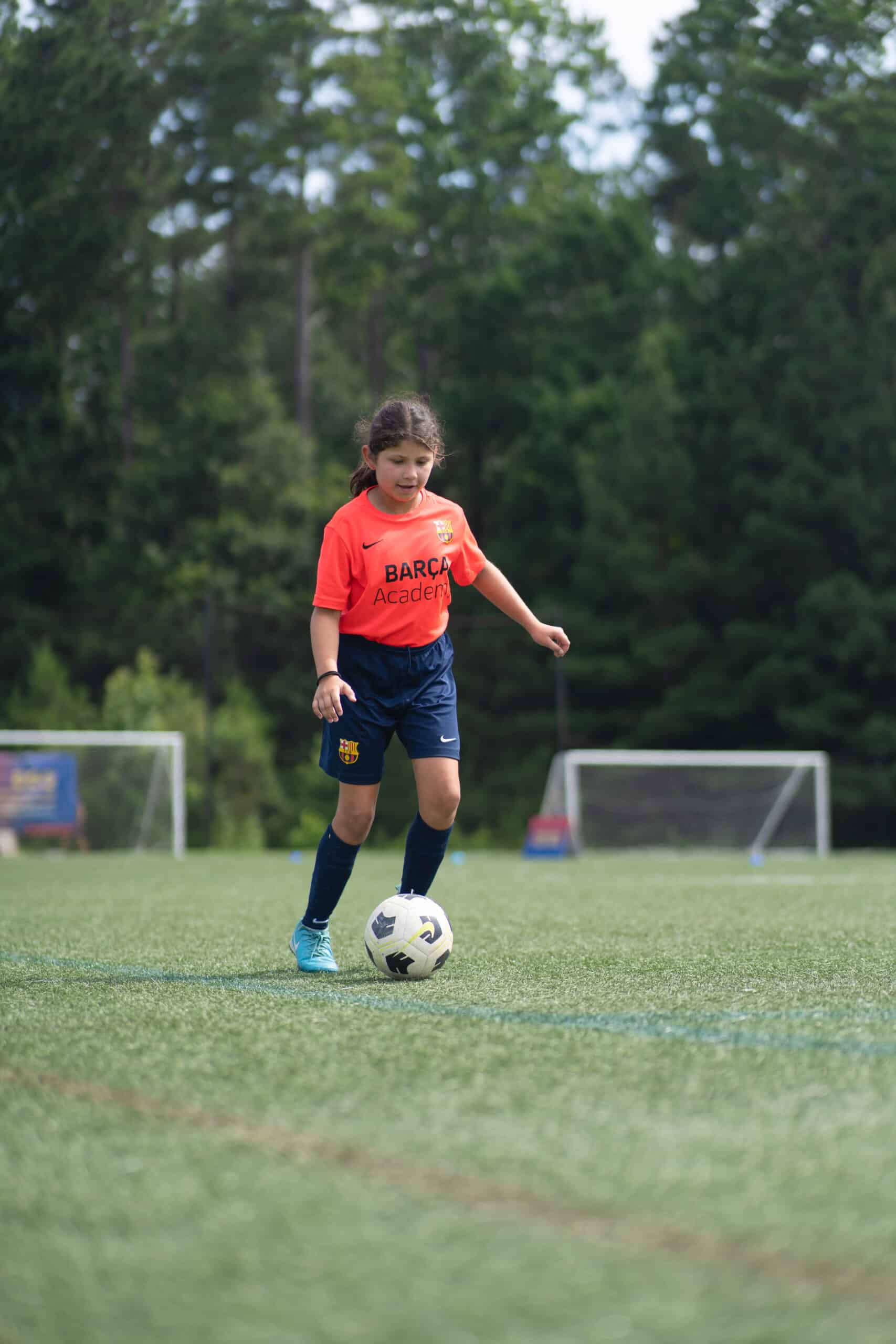


Ever watched a soccer match and noticed some players sprinting, twisting, and kicking like they were born for it, while others struggle just to keep up? The difference isn’t luck—it’s preparation. From stretching before the whistle to winding down afterward, every movement matters. If you want to stay on the field and off the sidelines, understanding how to prevent injuries in soccer is key.
That’s why at Barça Academy US we prioritize not just skill development, but also player safety and long-term performance. Next, we’ll dive deep into the essential routines, exercises, and strategies.
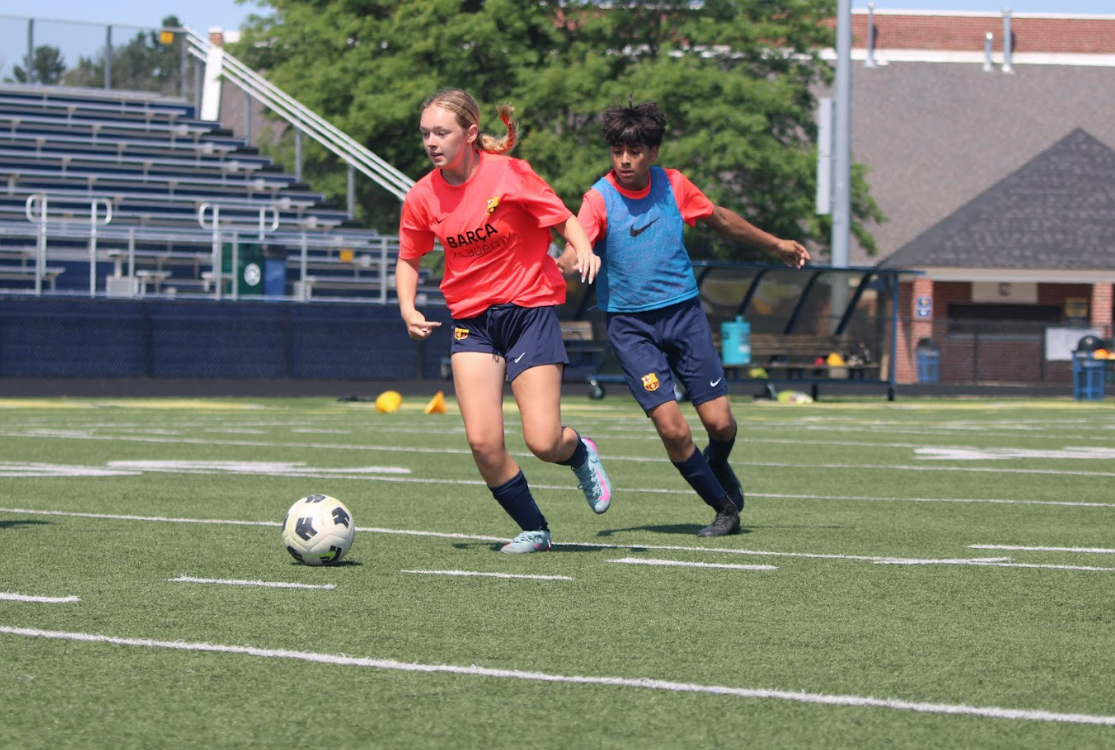
Importance of proper warm-up and cool-down exercises in soccer
Warm-up exercises are just as crucial as scoring that game-winning goal. But that’s not all. After the game, there’s another set of exercises, the cool-down, which are the unsung heroes in the realm of soccer.
The magic of warm-up exercises
A good warm-up preps your body for the intense action to come, minimizing the risk of injury. Here’s how it works:
- Increased body temperature: warm-ups gradually raise your body temperature, which enhances muscle elasticity. This results in improved performance and reduced risk of strains and pulls.
- Boosted blood flow: these exercises speed up blood flow to the muscles, delivering more oxygen and nutrients. This energy boost means you can play harder and longer.
- Mental preparation: a warm-up isn’t just for the body; it’s also a mental preparation tool. It helps focus your mind on the game, improving concentration and coordination.
Cool-down exercises: the game after the game
Just as important as warming up is cooling down. After the final whistle blows and all you want is to flop onto the nearest soft surface, taking just a few minutes for a proper cool-down can make a world of difference. Here’s why:
- Muscle recovery: after all that running and kicking, your muscles have accumulated lactic acid, which can lead to muscle stiffness and soreness. A cool-down helps dissipate this lactic acid, promoting faster recovery and less muscle soreness.
- Heart rate and breathing: abruptly stopping intense exercise can cause light-headedness or fainting. Cooling down allows your heart rate and breathing to return to normal gradually, avoiding these issues.
- Flexibility: your muscles are warm and pliable after exercising, making this the perfect time to work on your flexibility with some gentle stretching.
The role of personal protective equipment in soccer injury prevention
Personal Protective Equipment (PPE) might not be the most glamorous topic, but trust us, it can be a game-changer when it comes to preventing soccer injuries.
First things first, what do we mean when we say PPE? Well, in simple terms, these are pieces of gear or equipment that you use to protect yourself from injury during a game. In soccer, the most common PPE include shin guards, mouth guards, soccer cleats, and in some cases, even padded shorts or goalkeeping gloves.
Shin guards – your first line of defense
It is designed to protect your shins from kicks and other impacts. Let’s face it, soccer can be a rough sport and a good blow to the shin can not only be painful but could also sideline you for a few games. Therefore, never underestimate the importance of a sturdy pair of shin guards. When choosing shin guards, make sure they fit snugly and cover the area from just above the ankle to below the knee.
Protection for your pearly whites – mouth guards
Now, you might be wondering, “Why do I need a mouth guard in soccer?” While soccer is not a typical contact sport like American football, there is always a chance of a stray elbow or a head collision, especially during aerial challenges. So, a mouth guard can be a real tooth-saver. Some athletes might find it a bit uncomfortable at first, but it’s definitely worth getting used to.
Good quality soccer cleats – not just about style
A good pair of cleats provides decent grip on the ground, ensuring that you don’t easily slip or lose balance while making those swift moves during the game. Remember, it’s not always about the brand or the style, it’s about how well they fit and how comfortable you are in them.
Extra protection with padded shorts and goalkeeping gloves
While not mandatory, padded shorts can offer an extra layer of protection, especially for those who play in defensive positions. They help to reduce the impact of falls and slides, thereby minimizing the risk of bruising and abrasions.
The importance of proper nutrition and hydration for injury-free soccer
Have you ever thought about how much your diet and hydration affect your performance on the pitch? It might sound surprising, but what you eat and drink plays a massive role in keeping you injury-free. Let’s delve into this exciting topic.
Nutrition: fueling your body for the game
Proper nutrition is like high-quality gasoline for your car—it keeps your engine running smoothly. The same logic applies to your soccer performance. You’re asking your body to perform at its peak, so it’s only fair you provide it with the right fuel.
According to sports nutrition experts, a balanced diet for soccer players should include:
- Carbohydrates: these are your body’s primary energy source. Approximately 55-60% of a soccer player’s diet should consist of carbs to fuel those rigorous training sessions and intense games.
- Protein: essential for muscle repair and recovery. Aim for 1.2 to 2 grams of protein per kilogram of body weight every day.
- Fats: they provide long-lasting energy, especially for those long 90-minute matches. Make sure these are healthy fats, like those found in avocados and nuts.
Hydration: the key to stamina and recovery
We all know the feeling of thirst after a grueling match, but did you know that by the time you feel thirsty, your body is already experiencing dehydration? And dehydration can significantly impact your performance and put you at risk for injuries.
Experts from the American College of Sports Medicine recommend that athletes drink about 17 ounces of water 2 hours before exercise. During the game, aim for 7 to 10 ounces every 10 to 20 minutes. And don’t forget to hydrate after the game, too!
But remember, water isn’t the only way to hydrate. Sports drinks can be beneficial, especially during long games, since they contain electrolytes that help replenish what your body loses through sweat.
The significance of regular fitness training and conditioning in soccer
Soccer is a fast, demanding sport that pushes the body to its limits from the first kickoff to the final minute. To keep up with the pace and perform consistently, players need more than technical skill alone. Let’s see all that regular fitness training and conditioning can do for you.
Why regular fitness training?
Fitness training for soccer involves a mix of strength training, cardio, and flexibility exercises. This balanced approach ensures that you’re well-equipped to handle the physical demands of the game. By increasing your overall fitness level, you’re also reducing the risk of injuries.
Conditioning is key
Conditioning is all about preparing your body for the specific demands of soccer. This includes improving your endurance, agility, speed, power, and, crucially, your ability to recover quickly between bursts of intense effort. It’s about being able to sprint to the ball in the 90th minute with the same intensity as in the first minute.
The role of fitness training and conditioning in injury prevention
- Strengthens muscles and joints: regular training and conditioning strengthen your muscles and joints, making them more resilient to the stresses and strains of soccer and reducing the risk of injuries like sprains and strains.
- Improves flexibility: a good conditioning program will also include flexibility exercises. This can help to improve your movement range and prevent injuries caused by overstretching or sudden movements.
- Boosts endurance: regular conditioning boosts your stamina, meaning you’re less likely to get injured simply because you’re too tired to maintain good form.
The need for rest and recovery in soccer injury prevention
Rest and recovery are often overlooked, but they are just as important as training itself.
Why rest and recovery?
As the famous quote goes, “Rest is a part of training”. Think of it this way – during all those intense soccer drills and endurance runs, your muscles are essentially breaking down. It’s during your downtime, when you’re resting and recovering, that your body repairs these damaged muscles, making them stronger than before. Without enough rest, you’re denying your muscles this crucial recovery time and setting yourself up for potential injuries.
The power of sleep
Sleep plays a pivotal role in aiding recovery. Quality sleep enhances muscle recovery through protein synthesis and human growth hormone release. Without sufficient sleep, our bodies can’t fully recover or regulate these processes, paving the way for injuries.
Recovery techniques
Now you may be wondering, what’s the best way to rest and recover? Let’s break it down.
- Active recovery: it involves low-intensity, low-impact exercises like swimming or walking to help increase blood flow and facilitate muscle repair without straining the body.
- Stretching and foam rolling: both are excellent ways to alleviate muscle tension, improve flexibility and boost recovery. Just remember to keep it gentle; overdoing it can cause more harm than good.
- Hydration and nutrition: fueling your body with the right nutrients and staying hydrated is essential for muscle repair and recovery.
Listen to your body
Last but not least, always listen to your body. If you’re constantly feeling fatigued, experiencing prolonged muscle soreness, or just feeling ‘off’, it might be your body telling you it needs more time to recover. Don’t ignore these signals. Taking the necessary rest now could save you from a long-term injury later.
A way to play, a way to grow
Staying healthy in soccer isn’t about avoiding effort or playing it safe—it’s about playing smart. When preparation, awareness, and consistency become part of a player’s mindset, the game becomes more sustainable, more enjoyable, and more rewarding over time. Injury prevention is ultimately an investment in confidence, growth, and longevity on the pitch, allowing players to focus on what truly matters: learning, improving, and loving the game.
At Barça Academy US, we believe that developing great players starts with building strong foundations—both physically and mentally. That’s why our training philosophy combines world-class methodology with a strong focus on player well-being. If you’re looking for a high-quality soccer experience for your kid this summer, we invite you to join our summer camps, where young players can sharpen their skills, train safely, and experience the Barça way in a fun and supportive environment.